Azaranica is a non-biased news aggregator on Hazaras. The main aim is to promote understanding and respect for cultural identities by highlighting the realities they face on daily basis...Hazaras have been the victim of active persecution and discrimination and one of the reasons among many has been the lack of information, awareness, and disinformation.

Friday, June 29, 2012

Afghan artist Khadim Ali


Born in 1978 in Quetta (Pakistan), he lives in Sydney and Bamiyan.

His work: The Haunted Lotus, 2011–2012 (Gouache, ink, and gold leaf on wasli paper)
Ali, who trained in miniature painting, has roots in Bamiyan where the colossal sixth-century Buddha statues were destroyed by the Taliban (2001).

In the style of Indian Mughal miniatures, Ali has since 2007 worked to explore and update the Shahnamah. In his paintings, the classical hero Rustam is a horned demon, with a long beard reminiscent of those worn by Taliban fighters.

In Kassel, Ali is exhibiting four miniature paintings to explore the mythic tales of the Shahnamah by Firdausi in a contemporary context. He is also holding a seminar for children in Bamiyan, which focuses on the lost art of storytelling.

Editorial: Another Tragedy in Hazar Ganji

Added by Admin on June 29, 2012.

The sectarian war in Balochistan is getting uglier by the day as Sunni militants continue to devise new strategies every day to target members of the Shia community. Despite religious motivations, these attacks frequently lead to attacks on Hazara ethnic community. Thus, one should not mince words in describing this phenomenon as a blatant religious and ethnic cleansing. The tragic killing of another 13 innocent Shia pilgrims on Thursday in Hazar Ganji once again increases the fears of the Shia community and calls into question the government’s commitment to protect the people’s lives....Continue Reading.... 

Jang Urdu; Attack on Pilgrims' Bus


ادامه ترور هزاره ها در پاکستان و سکوت حکومت


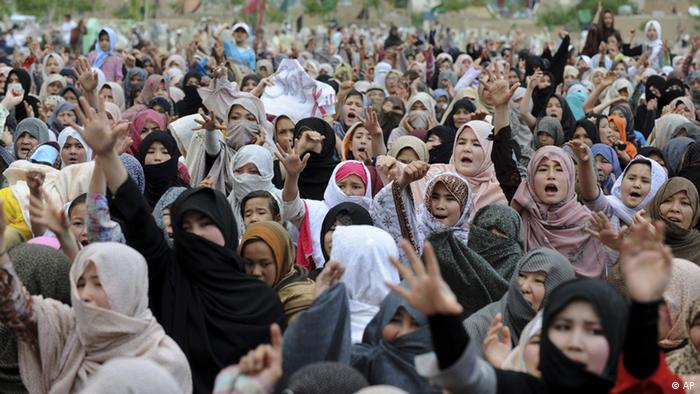
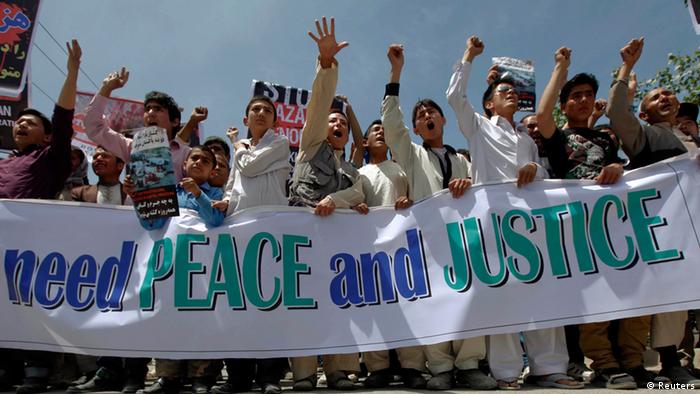
سال ها است که اقلیت شیعه مذهب هزاره در پاکستان هدف حمله افراطیان سنی هستند و دولت پاکستان کاری برای آن ها انجام نمی دهد. اقارب و بازماندگان قربانیان در اعتراض به این کشتارها، چند باری به خیابان ها ریخته اند.


در تازه ترین مورد، روز پنج شنبه (8 سرطان 1391/ 28 جون 2012) یک بس که زایران شیعه مذهب را از ایران به کویته انتقال می داد هدف حمله قرار گرفت. در این حمله، 13 تن از هزاره های شیعه کشته شدند و 25 تن دیگر زخم برداشتند.

رمضان، دکاندار 32 ساله در کویته سعی می کند آرامش خود را حفظ کند: «آن ها دو ماه پیش به دکان ما و سه تن دیگر حمله کردند. مهاجمین سوار بر سه موترسایکل بودند. من آن زمان در دکان نبودم. بعد از این که به من تلیفون شد، برگشتم و جسد برادر کلانم را روی زمین دیدم».


«به هزاره ها در سطح بین المللی نیز توجهی نمی شود»

به گفته رمضان، تنها جرم برادرش هزاره بودن او بود. همین برای قاتلان دلیل کافی بوده که پدر سه کودک را به قتل برسانند. این واقعه در کویته، مرکز ایالت بلوچستان پاکستان، یک مورد استثنایی نیست. بیش از ده سال است که هزاره ها در پاکستان در تعقیب افراط گرایان هستند. 700 تن از آن ها تا به حال در حمله های سنی های افراطی جان باخته و هزاران تن زخمی شده اند.

نفرت افراط گرایان سنی مذهب

هزاره ها در افغانستان از نظر تعداد سومین گروه قومی هستند، اما آن ها به دلیل تفاوت مذهبی و قومی همیشه مورد تبعیض قرار گرفته اند. بسیاری آنها در دوره های مختلف زمانی مجبور به فرار به ایران و پاکستان شدند. همچنین جنگ های افغانستان از سال 1979 بسیاری از آن ها را مجبور به فرار از این کشور کرد. تقریبا نیم میلیون هزاره در پاکستان زندگی می کنند. بیشتر آن ها ساکن کویته هستند.

به خصوص گروه سنی افراطی لشکر جنگوی به کشتن هزاره ها مشهور است. نعمت الله ابراهیمی، دانشمند علوم سیاسی از کابل که خود هزاره است، در مورد افزایش خشونت علیه این قوم می گوید: «من بین سال های 1997 و 1999 در کویته شاهد تبلیغات منفی افراطی علیه شیعیان بودم. اما این گروه های افراطی آن زمان به عنوان متحدین طالبان متوجه جنگ در افغانستان بودند. سپس آن ها پس از سال 2001 به پاکستان برگشتند و حمله ها علیه هزاره ها را افزایش دادند».


کابل و برخی ولایت های دیگر افغانستان نیز شاهد تظاهرات در اعتراض به کشتار هزاره ها در کویته بوده است.

در مجموع خشونت ها با انگیزه مذهبی بین اکثریت سنی و شیعیان در پاکستان پس از دهه80 میلادی به شدت افزایش یافته است. یوخن هیپلر، دانشمند علوم سیاسی در آلمان در این باره می گوید: «البته این خشونت ها متوجه اقلیت هزاره نیز می شود که نه تنها شیعه مذهب هستند، بلکه از نظر قومی نیز از ظاهر شان شناخته می شوند. به این ترتیب آن ها یک اقلیت مضاعف هستند، مذهبی و قومی».

فعالان هزاره، برعلاوه گروه های افراطی پاکستانی، سازمان استخبارات این کشور (آی اس آی) را نیز عامل این خشونت ها می دانند. حکومت پاکستان این اتهام ها را رد می کند. عبدالخالق بشردوست، عضو حکومت ایالتی در بلوچستان، متهمین را در جای دیگری می بیند: «من فکر نمی کنم که سازمان استخبارات (آی اس آی) عامل کشتار هزاره ها باشد. بیشتر شرکت امنیتی خصوصی بلک واتر است که می خواهد ایران شیعه مذهب را علیه پاکستانی های سنی تحریک کند و به این دلیل دستور قتل شیعیان را می دهد».

حکومت پاکستان چشم هایش را می بندد

کارشناسان ادعاهای مقام های پاکستانی را جدی نمی گیرند. زیگرید کریگ، از سازمان عفو بین الملل در آلمان می گوید که حکومت پاکستان گناه را به گردن عوامل خارجی می اندازد. به گفته او پاکستان تمایل چندانی به کمک به مردم هزاره ندارد: «حکومت این کشور هیچ کاری انجام نمی دهد. به دلیل منازعه استقلال طلبی بلوچ ها، سربازان پاکستانی در بلوچستان مستقر هستند. اما برای هزاره ها هیچ کاری انجام نمی دهند».


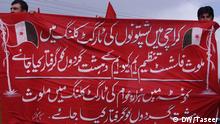
در پاکستان حزب پشتونخوا ملی عوامی در اعتراض به کتشار هزاره ها در کویته و پشتون ها در کراچی تظاهرات کردند.

زیگرید کریگ می گوید که اسلام آباد در قبال هزاره ها موقفی اهانت آمیز و نیش دار را پیش گرفته است. چند هفته پیش نواب اسلم رایزانی، رییس حکومت ایالت بلوچستان، با لحنی بسیار تمسخر آمیز در مورد هزاره ها صحبت کرد. به نقل از روزنامه پاکستانی نیوزلاین، این سیاستمدار پاکستانی در یک سخنرانی گفته است، هزاره ها بهتر است این قدر مبالغه نکنند. درغیر این صورت او می تواند برای شان یک محموله دستمال کاغذی روان کند (که اشک های خود را پاک کنند).

اما زیگرید کریگ اذعان می کند که به هزاره ها در سطح بین المللی نیز توجهی نمی شود. حتی عفو بین الملل نیز تا به حال تنها یک گزارش در مورد هزاره ها نشر کرده است. اما در مقابل به مبارزه بلوچ ها برای کسب استقلال در سطح بین المللی توجه می شود. برای مشکلات و دردهای رمضان دکاندار در کویته گوش شنوایی نیست. او تنها یکی از صدها هزاره ای است که اعضای خانواده اش را در این خشونت ها از دست داده است.

وصلت حسرت نظیمی/ مهرنوش انتظاری

ویراستار: عارف فرهمن

Thursday, June 28, 2012

‘Ethnic cleansing of Hazaras going on in systematic manner’

Mumtaz AlviFriday, June 29, 2012
From Print Edition

ISLAMABAD: Every month around 50-60 members of the Hazara community are either gunned down or killed in bomb blasts, mostly within the precincts of Quetta city, claim the head of a political party and a legislator.

During the last five years, as many as 50,000 Hazaras have left Balochistan; a majority of them have managed to take ‘shelter’ in other countries, and nearly 300 lost their lives as some of the boats they were on board capsized. Meanwhile, some have fled to Islamabad and Rawalpindi.

Hazara Democratic Party (HDP) President, Abdul Khaliq Hazara, while talking to The News claimed that in a systematic manner, ethnic cleansing of Hazaras was on and has dramatically intensified since 2008 onwards. “We don’t see a light at the end of the tunnel, as on the one hand we are losing our dear ones while on the other, the state and its institutions have failed to fulfil their constitutional obligations and virtually turned their back on us,” he charged.

He said after finding no security and protection from the provincial government and its related departments, the trauma-hit people had been left with the only option to hand themselves over to the Arabian Sea waters.

Asked what role his party and other political parties, particularly in the province, could play to defuse the situation, the HDP chief said things had gone out of the political parties’ hands, as those behind this gory phenomenon enjoyed the full protection of certain forces. “Everybody knows it,” was his terse reply when asked who these forces are.

He said a deliberate attempt was being made to give this gory act a colour of sectarian strife, as occasionally, mosques and seminaries were also targeted in Balochistan’s provincial capital.

An upright PPP legislator, Syed Nasir Ali Shah, who recently declined to vote for Raja Pervaiz Ashraf, saying he could not repeat the sin he had committed in 2008 by casting his vote for Yusuf Raza Gilani, when contacted, billed the seething violence against Hazara community as a result of multi-faceted factors.

One of the factors, he pointed out, was the release of a hardened terrorist, who had been released a few months back, and he was now free to spread venom to trigger sectarian unrest: he referred to a June 19 gathering in which he again asked people to get ready to target Muslims.

“Is there anyone, who can stop this person? Is there any institution noticing what poison he is spreading here and there,” Nasir Shah, who also belongs to Hazara community, wondered.

The outspoken lawmaker from Quetta contended that people had been left with hardly any other option but to feel increasingly insecure and depressed after a prime minister who called himself a representative of 180 million people, carelessly remarked during an interview with CNN recently that no one had stopped people from leaving Pakistan when told that one-third of Pakistanis wanted to leave the country due to bad governance and other problems. Nasir Shah noted this answer by Gilani had stunned the CNN journalist.

He said the rulers had miserably failed to ensure protection to life of people what to talk of safeguarding their rights. He lamented Pakistan not only stood alone today globally but also regionally, as all neighbours, including, Afghanistan, Iran, India and even Russia were not happy with it due to its policies.

The legislator called for a complete review of Pakistan’s interior and foreign policies, with particular reference to Afghanistan.

“It is because of those disastrous policies that today people are being killed in suicide attacks and blasts while the state institutions are hibernating. Killers are on the rampage without any fear of being arrested and proceeded against. We must open our eyes wide before it is too late and I guess, it is already too late,” he maintained.

A senior official of the Balochistan Home Department, when approached on phone, conceded that they were faced with a complex situation, as not only local but external factors were also to be blamed for the wave of killings in Quetta. He also said that local trouble-makers enjoyed patronage that needed to be handled now without any political consideration.

Quetta observes shutter-down strike


From Web Edition


QUETTA: The city wore a deserted look after Hazara Democratic Party (HDP) called to observe a complete shutter-down strike Friday to condemn the target killings and Hazar Gunji bomb blast in Quetta, Geo News reported.

All the business activities in different areas including Alamdar Road, Hazara Town, Toghi Road, Gulistan Road, Liaquat Bazaar, Bacha Khan Chowk and in adjoining areas were suspended while traffic was also thin on the roads.

While announcing to support today’s strike, different politico-religious parties including Pakhtunkhwa Milli Awami Party (PkMAP) strongly condemned the Hazar Gunji blast and demanded the government to provide security to the general public or else step down.

On Thursday, a powerful remote-controlled car-bomb targeting a bus full of pilgrims claimed the lives of 13 people, including a cop, and injured 30 others in the Hazar Gunji area.

Police officials said a passenger bus, escorted by a police van, carrying 40 pilgrims, was on its way from the Pak-Iran border at Taftan to Quetta. When the bus reached the Hazar Gunji area in the outskirts of the provincial capital, it was targeted by a remote-controlled car-bomb.

The blast was so powerful that the bus turned into an unrecognizable wreck of metal and all 40 pilgrims and four policemen - in a patrolling vehicle escorting the passenger bus - were hit.

Reports suggested that unidentified terrorists had parked a car loaded with explosives at Hazar Gunji. As the bus carrying the pilgrims approached the site at around 6:00pm, the explosive device went off with a big bang.

کوئٹہ دھماکہ:ہلاکتیں تیرہ، شہر میں ہڑتال


آخری وقت اشاعت:  جمعـء 29 جون2012 ,‭ 03:41 GMT 08:41 PST


دھماکے سے بس مکمل طور پر تباہ ہوگئی تھی
پاکستان کے صوبہ بلوچستان کے دارالحکومت کوئٹہ میں زائرین کی بس پر ہونے والے بم حملے میں ہلاک ہونے والوں کی تعداد تیرہ تک پہنچ گئی ہے۔
شیعہ زائرین پر اس حملے کے خلاف جمعہ کو کوئٹہ میں شٹر ڈاؤن ہڑتال کی جا رہی ہے۔
ایران جانے والی زائرین کی بس کو ہزار گنجی میں جمعرات کی شام اس وقت نشانہ بنایا گیا تھا جب وہ پولیس کی نگرانی میں تفتان کے لیے روانہ ہوئی۔
ابتدائی طو پر اس واقعے میں چھ افراد کی ہلاکت کی تصدیق کی گئی تھی تاہم مقامی حکام کے مطابق جمعرات کو رات گئے تک اس بس کے گیارہ مسافر اور حفاظتی گاڑی میں سوار دو پولیس اہلکار ہلاک ہوگئے تھے۔
اس دھماکے میں بائیس افراد زخمی بھی ہوئے ہیں جن میں خواتین اور بچے بھی شامل ہیں۔ ڈاکٹروں نے زخمیوں میں سے پانچ کی حالت نازک بتائی ہے جنہیں علاج کے لیے سی ایم ایچ کوئٹہ منتقل کیا گیا ہے۔
پولیس کے مطابق بس میں ساٹھ کے قریب مسافر سوار تھے جن میں سے اکثر کا تعلق ہزارہ قبیلے سے ہے۔
کوئٹہ سے نامہ نگار ایوب ترین کے مطابق جمعرات کی رات خود کو کالعدم تنظیم لشکرِ جھنگوی کا نمائندہ بتانے والے ابوبکر نامی شخص نے مقامی اخبارات کے دفاتر میں فون کر کے اس حملے کی ذمہ داری قبول کی ہے اور دعویٰ کیا ہے کہ یہ ایک خودکش حملہ تھا۔


بس کے مسافروں میں سے اکثر کا تعلق ہزارہ قبیلے سے تھا
پولیس اور فرنٹیئرکور کے اہلکاروں نے دھماکے کے فوراً بعد جائے وقوع پر پہنچ کر تحقیقات شروع کر دی تھیں تاہم سکیورٹی حکام کی جانب سے تاحال دھماکے کی نوعیت کے بارے میں کچھ نہیں بتایا گیا۔
ادھر شیعہ تنظیموں نے اس واقعے پر شدید تشویش کا اظہار کرتے ہوئے تین روزہ سوگ منانے کا اعلان کیا ہے۔ ان تنظیموں کی جانب سے جمعہ کو کوئٹہ میں ہڑتال کی کال بھی دی گئی ہے۔
ہڑتال کی اپیل پر جمعہ کو کوئٹہ میں دکانیں بند ہیں اور نظامِ زندگی متاثر ہوا ہے۔ شیعہ تنظیموں نے حکومت سے مطالبہ کیا ہے کہ وہ ان کے تحفظ کو یقینی بنائے اور اس قسم کے واقعات میں ملوث افراد کو گرفتار کر کے قرار واقعی سزا دی جائے۔
بلوچستان میں شیعہ فرقے سے تعلق رکھنے والے افراد خصوصاً صوبے میں مقیم ہزارہ برادری خاصے عرصے سے فرقہ وارانہ دہشتگردی کا نشانہ بن رہی ہے اور ان واقعات میں اب تک درجنوں افراد مارے جا چکے ہیں