
Thursday, July 5, 2012

سرک ها در بامیان با کیفیت بد ساخته شده اند
دويچه وله دری / گزارش های بازسازی

گزارش های بازسازی
سرک ها در بامیان با کیفیت بد ساخته شده اند
در بامیان هنوز از تطبیق پروژه های بزرگ خبری نیست. آنچه را نمایندگان محلی حکومت در این ولایت "بزرگترین دست آورد انکشافی" طی ده سال گذشته می نامند، قیرریزی بعضی از شاهراه های این ولایت است که کیفیت خوبی ندارند.
از چند سال به این سو کار روی شاهراه کابل - بامیان از دو مسیر دره غوربند و حاجی گگ جریان دارد. اما بخشی از سرک در این مسیر که ازمنطقه شش پل الی دوآب بروله حدود ده کیلومتر فاصله دارد، پس از یک سال تخریب شده است. این فاصله توسط شرکت راه سازی "کابل گروپ" ساخته و سال گذشته به بهره برداری سپرده شد.
نبود سرک مناسب مردم محل را در زندگی روزانه با مشکلات زیاد مواجه می کند. رضا یک موتروان در مسیر کابل بامیان می گوید، ساختن این پروژه درست نبوده و با گذشت یک زمستان تخریب شده است. او از حکومت خواهان ترمیم این سرک به شیوه درست و اساسی است. کاکا شیر، موتروان دیگر در همین مسیر نیز ازهمین ناحیه شکایت دارد.
محمد سجاد محسنی، یک تن از بزرگان بامیان مسوولین حکومت را به بی توجهی در امر نظارت از پروژه ها متهم کرده می گوید:"از پخته شدن این سرک خامه بودن آن بهتر بود، ما رفتیم سرک رادیدیم؛ نه شورای ولایتی، نه والی نظارت نکرده اند."
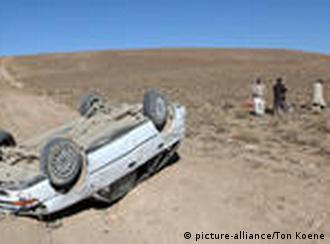
نبود سرک مناسب مردم محل را در زندگی روزانه با مشکلات زیاد مواجه می کند
این همان مسیری است که مسوولین همواره از آن به عنوان "دهلیز شرق و غرب" یاد می کنند. در صورت بسته شدن تونل سالنگ، برای رفتن به شمال افغانستان نیز از این مسیر استفاده می شود.
درهمین حال، حبیبه سرابی، والی بامیان بی کیفیتی این پروژه را تایید می کند: "این سرک هنوزهم تسلیم گرفته نشده است[رسماً به مقامات حکومتی واگذار نشده است]". به گفته او این سرک از طرف تیم "پی آرتی نیوزلند" مقیم بامیان ساخته شده است و آنها با مسوولین آن در زمینه صحبت کرده اند؛ قرار است آنان روی شرکت فشار آورند تا روی سرک دوباره کار شود. او راه اندازی و طرح پروژه ها را از مرکز(کابل) بدون هماهنگی با مسوولین محلی در راستای ساخت و ساز، یک چالش تلقی می کند.
احمد شاه وحید، معین تخنیکی وزارت فواید عامه دولت افغانستان می گوید:" برای تسلیم گیری پروژه ها ما شرایط و دستورالعمل های خاص خود را داریم. سرک هایی که ساخته می شوند، یک سال گرنتی دارد؛ پس ازیک سال اگرعوارض گیری نشود و یا مشکل تخنیکی درپروژه وجود داشته باشد - تا دوباره ترمیم نگردد، ما تسلیم نمی شویم."
علاوه برتخریب سرک یاد شده، قسمت هایی ازسرک داخل شهر بامیان نیزتخریب شده است که سه تا چهار سال از قیر ریزی آن نمی گذرد.
کریم جاوید، بامیان
ویراستار:مبلغ

Wednesday, July 4, 2012
COMMENT : Denigrating the Hazaras — II — Dr Mohammad Taqi

We have been discussing an op-ed, “Balochistan: sectarian strife or Hazara community targeted?” written by M Surat Khan Marri that appeared in these pages a few days ago. In his condescending piece, Mr Marri has alleged that the Hazaras are Iran’s proxies who are allied with the Pakistani state and are working against the Baloch liberation/autonomy cause. He made a lot of fuss about the Hazara presence in the Pakistan army, calling them akin to gurkhas. Interestingly, the writer could not produce more than two names who made it to the higher ranks in the services. No evidence was produced to show if the Hazara were recruited disproportionately to the armed forces. The fact is that no more than a handful of Hazara officers have served in the military at any given time in our history. Hazaras were no more a collaborator of the Pakistani state than any Baloch, Pashtun or Urdu-speaker has been. If anything, they were under-represented in the civil and military services despite their stellar education rate.
Labelling anyone a collaborator, whether of the Pakistani state or of foreign powers, has very serious consequences, which no one would know better than the Baloch. The 1972 Iraqi arms cache case leading to the toppling of the National Awami Party (NAP) government of Sardar Ataullah Khan Mengal and subsequent stigmatisation of the NAP leadership was a sad episode. The blame-game and the personal rivalries that had started with a fateful NAP meeting that kept out Nawab Akbar Khan Bugti resulted in a mess that damaged the Baloch national cause. Selig Harrison records, “One of the few top-ranking Baloch leaders who knew about this scheme, Akbar Bugti, leader of the Bugti tribe, proved to be a turncoat. By tipping off (ZA) Bhutto, Bugti unseated his arch rivals Bizenjo and Mengal...and obtained the governorship for himself.” The Hazaras of Quetta had nothing to do with the Baloch internecine rivalries. If anything, scores of Hazaras were ideologically committed members of the NAP at the time and did not take sides in the intra-NAP bickering. When Muhammad Reza Shah Pahlavi’s pilots bombed the Baloch nationalists on ZA Bhutto and Nawab Bugti’s watch, the Hazaras were not the ones collaborating with Iran.
Over a decade later, Nawab Bugti was to take oath as an elected chief minister of Balochistan. Incidentally, General Musa remained the governor of the province throughout Nawab Akbar Bugti’s tenure. Evidently, the great Baloch nationalist leader neither had a problem working with the Hazara governor nor raised the issue of whether the Hazaras were an indigenous tribe of Quetta. Nawab Sahib, having remained part of the Pakistani establishment, was acutely aware of its machinations to pit leaders against one another and nations against each other. Creating ideological, ethnic, sectarian and personal rifts is the establishment’s time-tested modus operandi. Infiltration within political parties and revolutionary outfits is not unheard of. Seemingly well-meaning people have been duped by this strategy before and, unfortunately, it may be at play in Balochistan again.
The rise of the Baloch national movement — boosted by Nawab Bugti redeeming himself with his blood — and the international support it is gaining has the establishment worried. Playing up the existing fault lines in Balochistan to create a controlled chaos is what they wish to do. Baloch against Pashtun, Sunni against Shia, Baloch against Hazara and everyone against the settlers, has the potential to create a mess to justify a tremendous and prolonged military presence in the province. Additionally, those who could have been opposing the military would end up bleeding each other white. And in no other place can this scenario play out more ominously than in Quetta. As the coveted political prize, Quetta could become Balochistan’s Jerusalem. A stalemate here can effectively throw a wrench in the Baloch liberation struggle and the Pashtun demands for autonomy.
No one is openly talking about it but both Baloch and Pashtun stake a claim to Quetta — historically a Pashtun city. The Hazara claim, if there is one, is perhaps the most benign one, i.e. asking for a right to exist peacefully. They have no irredentist designs or nationalist demands for autonomy or self-determination from Pakistan or its potential successor state(s). The Hazara through their numbers can potentially tip the balance for/against the Pashtun/Baloch and hence the efforts to woo or bully them. The latter has already begun as is evident from the sectarian tirade in Mr Marri’s article. His allegation about the imaginary Iranian support for the Hazaras is a red herring intended to divert attention from the security establishment’s moves to start a three-way Baloch-Hazara-Pashtun conflict in Balochistan.
The creation of new provinces in Pakistan would inevitably lead to the demand for a southern Pashtun province, in which case the demographics of Quetta would become crucial. No leader says it out loud but the status of Quetta is becoming contentious. From the establishment’s standpoint nothing can stall the Baloch liberation struggle more effectively than a direct confrontation between the Baloch and Pashtun over Quetta. The sectarian attacks on and the targeted killings of the Hazaras are designed firstly, to force them into retaliating and secondly, to take sides in the broader conflict that is emerging. The Hazaras, especially, would be well advised to exercise utmost restraint and remain within the framework of secular politics.
It is imperative that the honourable leaders like Nawab Khair Bakhsh Khan Marri, Sardar Ataullah Mengal, Sardar Akhtar Jan Mengal, Mahmud Khan Achakzai, Asfandyar Wali Khan, Afrasiab Khattak, Sardar Saadat Hazara, Haji Qayyum Changezi and others step forward to discuss what is brewing in Quetta before it is too late. A formula regarding the Quetta issue and the Pashtun access to the port was once discussed, and agreed upon, by Sardar Ataullah Mengal and the late Afzal Bangash. It may serve as a useful template even today.
Mr Surat Khan Marri has tried to muddy the already treacherous waters. It behooves anyone genuinely concerned with the Baloch liberation struggle to steer clear of denigrating any vulnerable populations and many Baloch nationalists were swift to denounce his piece. He may be doing a disservice to the Baloch and Pashtun cause as only the Pakistani establishment stands to gain from chaos in Quetta. But on the bright side, at least we are talking about the real issue and not the red herring Mr Marri wanted us to chase.
(Concluded)
The writer can be reached at mazdaki@me.com. He tweets at http://twitter.com/mazdaki
Drive-by shooting: Senior official among three killed near Quetta
By Our Correspondent
Published: July 4, 2012

Gunmen on motorcycle opened fire on a car going from Pishin to Quetta. PHOTO: FILE
QUETTA: A senior government official and two others were killed in a drive-by shooting on Wednesday on the outskirts of Kucklack, some 25 kilometres from the provincial capital.
Muhammad Saeed, the assistant director of local governments in Pishin district, and his office superintendent, Yasin, were travelling to Quetta from Pishin when gunmen opened fire on their car with automatic weapons, according to the police.
The pair died instantly and their driver sustained critical gunshot wounds. The injured driver, identified as Muhammad Akbar, was driven to Quetta’s Civil Hospital – but he succumbed to his injuries before he could be provided treatment, medics said.
Muhammad Saeed belonged to Khyber-Pakhtunkhwa while Yasin was a member of the Hazara community, a local ethnic group which is Shia by sect.
A purported spokesperson for the banned sectarian extremist outfit, Lashkar-e-Jhangvi, Abu Bakar Siddiq claimed responsibility for the triple murders in a phone call to journalists in Quetta.
Published: July 4, 2012
Gunmen on motorcycle opened fire on a car going from Pishin to Quetta. PHOTO: FILE
QUETTA: A senior government official and two others were killed in a drive-by shooting on Wednesday on the outskirts of Kucklack, some 25 kilometres from the provincial capital.
Muhammad Saeed, the assistant director of local governments in Pishin district, and his office superintendent, Yasin, were travelling to Quetta from Pishin when gunmen opened fire on their car with automatic weapons, according to the police.
The pair died instantly and their driver sustained critical gunshot wounds. The injured driver, identified as Muhammad Akbar, was driven to Quetta’s Civil Hospital – but he succumbed to his injuries before he could be provided treatment, medics said.
Muhammad Saeed belonged to Khyber-Pakhtunkhwa while Yasin was a member of the Hazara community, a local ethnic group which is Shia by sect.
A purported spokesperson for the banned sectarian extremist outfit, Lashkar-e-Jhangvi, Abu Bakar Siddiq claimed responsibility for the triple murders in a phone call to journalists in Quetta.
Three gunned down in Quetta
By Nasir Khan - Jul 4th, 2012

Quetta: At least three people have been killed in Kachlak area of Quetta, police said on Wednesday.
Police said that unknown armed men opened fire on a vehicle, leaving two dead and another injured.
The police said that the injured sccumbed to injuries while he was being taken to a hospital.
The deceased were government employees, police said. The bodies have been shifted to a hospital for medico legal formalities.
Heavy contingent of police rushed to the spot and cordoned off the area.
Police said that unknown armed men opened fire on a vehicle, leaving two dead and another injured.
The police said that the injured sccumbed to injuries while he was being taken to a hospital.
The deceased were government employees, police said. The bodies have been shifted to a hospital for medico legal formalities.
Heavy contingent of police rushed to the spot and cordoned off the area.
Editorial: Stop Terrorism Not The Bus Service
Added by Admin on July 4, 2012.
The decision of District Administration in Quetta to shut down bus service for Shia pilgrims going to Iran is outrageous. Such a decision curtails people’s right to religious freedom and it also emboldens extremist Sunni groups. The government justifies this decision referring to recent attacks in Quetta and its outskirts on Shia Muslims (most of whom belonged to Hazara ethnic community). The Lashkar-e-Jhangvi, a Sunni militant group, has claimed responsibility for all attacks on Balochistan’s Shia Muslims.
Since many of the pilgrims travel via Pakistan-Iran border town of Taftan on bus, the extremist groups find it very easy ambush the passenger buses in the outskirts of Quetta. Except for suicide bombings, no other form of attack on the Shia, Hazara community has proved as deadly as attacks on the buses. Besides the attack on a university bus on June 18, the dead toll in every other assault has exceeded double-digit figure.
Regular protests and meeting by Shia, Hazara leaders with senior government officials in Balochistan have not helped in ending the killing of innocent citizens. There has also been uproar at the international level, mainly from human rights organizations, against the senseless killings. Yet, the situation has not received ample attention from foreign governments and the United Nations to force Pakistan to act swiftly to protect people who do not share the religious and political views of the majority in Pakistan. The State should take ownership for guarding every citizen’s freedom to religious and political views....Continue Reading...
The decision of District Administration in Quetta to shut down bus service for Shia pilgrims going to Iran is outrageous. Such a decision curtails people’s right to religious freedom and it also emboldens extremist Sunni groups. The government justifies this decision referring to recent attacks in Quetta and its outskirts on Shia Muslims (most of whom belonged to Hazara ethnic community). The Lashkar-e-Jhangvi, a Sunni militant group, has claimed responsibility for all attacks on Balochistan’s Shia Muslims.
Since many of the pilgrims travel via Pakistan-Iran border town of Taftan on bus, the extremist groups find it very easy ambush the passenger buses in the outskirts of Quetta. Except for suicide bombings, no other form of attack on the Shia, Hazara community has proved as deadly as attacks on the buses. Besides the attack on a university bus on June 18, the dead toll in every other assault has exceeded double-digit figure.
Regular protests and meeting by Shia, Hazara leaders with senior government officials in Balochistan have not helped in ending the killing of innocent citizens. There has also been uproar at the international level, mainly from human rights organizations, against the senseless killings. Yet, the situation has not received ample attention from foreign governments and the United Nations to force Pakistan to act swiftly to protect people who do not share the religious and political views of the majority in Pakistan. The State should take ownership for guarding every citizen’s freedom to religious and political views....Continue Reading...
Subscribe to:
Comments (Atom)